
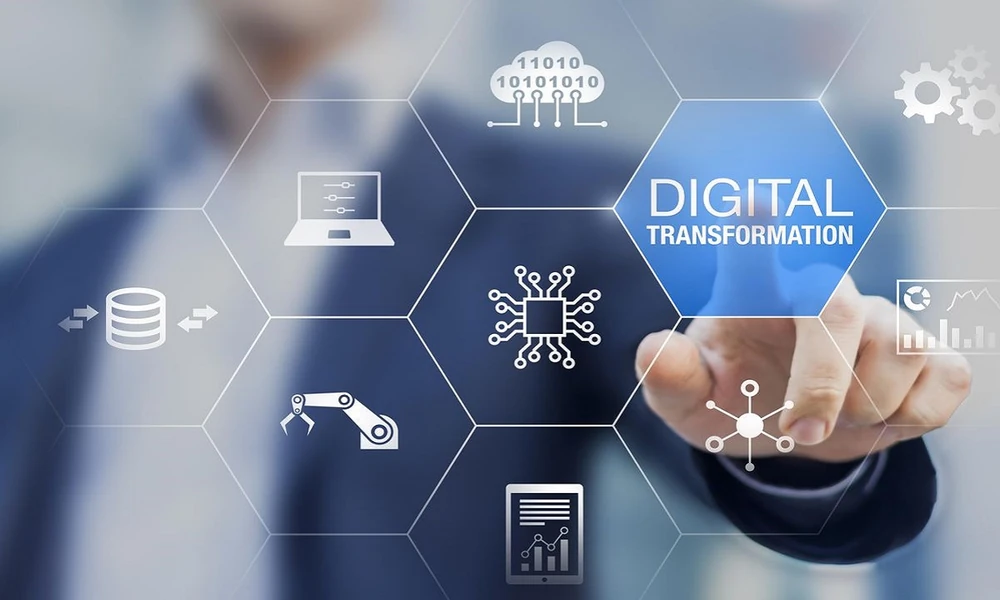

The technology powering online retail has changed dramatically in a short span of time, moving far beyond a simple website with a shopping cart. Automation, artificial intelligence, cloud infrastructure, and mobile-first design now touch nearly every part of running an online store, from how products are discovered to how orders are packed and shipped. Businesses that understand these shifts are better positioned to keep their operations efficient and their customers satisfied, while those that fall behind often find themselves competing on price alone rather than experience. Understanding where these changes are headed helps leaders make smarter decisions about where to invest limited time and budget.
As online retail continues to evolve, businesses are increasingly relying on digital tools to improve efficiency, understand customer behaviour, and manage growing operations. Modern e-commerce technology supports everything from automated order processing and inventory management to personalised shopping experiences and secure payments. By adopting solutions that align with their operational needs, online retailers can streamline everyday processes while creating a more responsive and convenient experience for customers.
Automation Across the Back Office
Tasks that once required hours of manual attention, such as updating prices, processing returns, and reconciling orders, are increasingly handled by automated workflows. This shift reduces the number of human errors that creep into repetitive processes and allows staff to redirect their time toward higher-value activities like product development and customer engagement, rather than administrative upkeep. Even relatively small businesses can now access automation that was once reserved for much larger retailers with dedicated technical teams.
Artificial Intelligence in Daily Operations
AI now plays a role well beyond recommending products. It powers demand forecasting that helps businesses stock the right amount of inventory, fraud detection that flags suspicious orders before they ship, and chatbots that resolve routine customer questions at any hour without waiting for a human agent to become available, all of which reduce operating costs while improving response times. These systems also tend to improve gradually over time as they process more data from real transactions.
Cloud Infrastructure and Flexible Architecture
Cloud-based systems let businesses scale computing resources up or down as demand shifts, rather than maintaining expensive servers built for peak capacity year-round. Many companies are also adopting headless or composable architecture, which separates the customer-facing storefront from backend systems so each piece can be updated independently, giving technical teams far more freedom to experiment.
Mobile and Omnichannel Experiences
With a majority of online purchases now happening on smartphones, mobile performance has moved from a nice-to-have to a core requirement. Technology that keeps inventory, pricing, and customer data consistent across a website, mobile app, and social channels ensures shoppers get the same reliable experience no matter where they choose to buy, which builds confidence in the brand overall.
Conclusion
The tools running an online store today look very different from those of just a few years ago, and the pace of change shows little sign of slowing. Automation, AI, cloud infrastructure, and mobile-first design are no longer optional extras but the standard expectation for a competitive e-commerce operation. Businesses that keep pace with these shifts put themselves in a stronger position to operate efficiently and meet rising customer expectations well into the future, while those that delay adoption often find the gap increasingly difficult to close.
How Technology Is Transforming Modern E-Commerce Operations
