
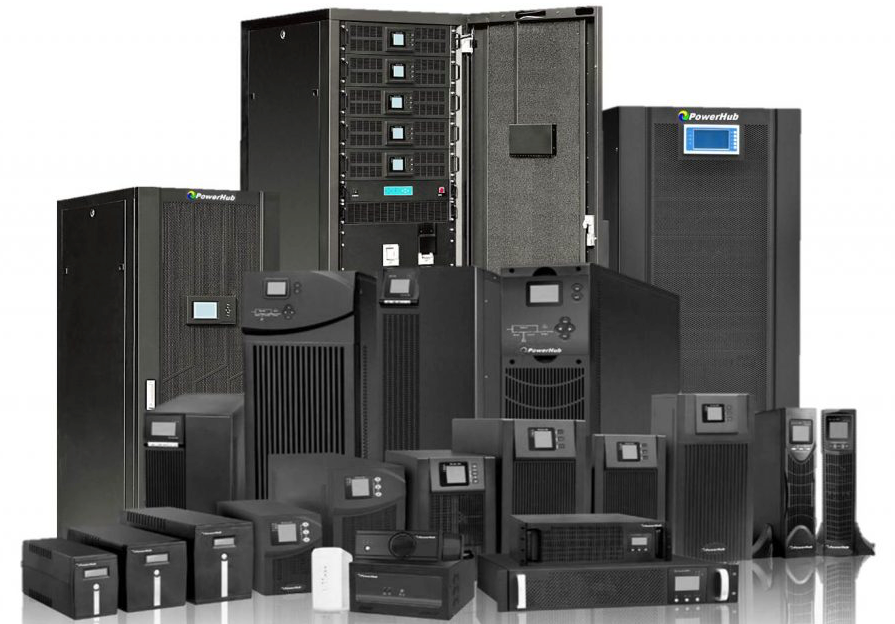

Have you ever been deep into an important project or a critical online session when a sudden power outage caused your computer to shut down instantly? Valuable data can be lost in seconds-or worse, essential hardware components can be permanently damaged by an unexpected power surge.
These risks can be effectively mitigated with an Uninterruptible Power Supply (UPS). However, before investing in one, it is crucial to understand how a UPS functions and how to select the right model to ensure optimal performance, protection, and long-term value. A common question often arises: UPS มีกี่แบบ (How many types of UPS are there?) and which type is best suited for your specific needs?
Understanding UPS Systems and How They Work
To visualize it clearly, a UPS (Uninterruptible Power Supply) is like a “Water Storage Tank” for your home. In normal times when the “city water” (main power) flows well, the device stores energy in its “tank” (battery) until it’s full, while filtering out “impurities” (electrical noise/interference) to ensure clean energy reaches your “faucets” (electronic devices).
When the city water stops flowing or the power cuts out suddenly, the internal system of the UPS immediately switches to drawing energy from the tank, allowing your devices to continue running seamlessly.
3 Important Roles of a UPS
Many people think a UPS is used only to provide backup power during a blackout. However, it actually does much more:
1. The Hero During Blackouts: It gives you enough time to save your work, shut down your computer properly, or even finish that movie or game during a critical moment.
2. A Shield Against Surges: It protects expensive electronics from damage caused by sudden high-voltage spikes, such as nearby lightning strikes or the “rebound” power surge when electricity returns after a long outage.
3. A “Power Filter” for Stability: It adjusts inconsistent voltage to a steady level, ensuring your devices run at peak performance and preventing premature wear and tear.
How Many UPS Types Are There and Which Should You Choose?
A common question is “How many types of UPS are there?” and which one to choose. In today’s market, they are mainly divided into three types based on usage:
– The Budget-Friendly (Offline / Standby): Best for general home use, such as basic PCs or Wi-Fi routers. It focuses on providing backup power during outages at an affordable price.
– The Popular Choice (Line Interactive): This model features a “Stabilizer” system to automatically adjust voltage levels. It’s perfect for offices or homes in areas with frequent power sags or swells.
– The Pro Choice (Online Double Conversion): This is the top-tier model that provides 100% “clean and steady” power at all times. It is essential for sensitive, high-value equipment like medical devices, corporate servers, or high-end home theater systems.
5 Tips to Keep Your UPS Like New and Long-Lasting
To ensure your UPS protects your electronics for years to come, follow these techniques:
1. The Secret of Placement: Don’t tuck your UPS into a tight, unventilated corner. Heat is the #1 enemy of batteries and can reduce their lifespan by 50%. Place it in a well-ventilated area.
2. Watch What You Plug In: Never plug high-consumption “surge” appliances into a UPS, such as vacuum cleaners, hair dryers, or electric kettles. These can overload and damage the internal circuitry.
3. Listen to the Warnings: If the device makes strange beeping sounds or the status lights change color, don’t ignore it. Check the manual or consult a technician immediately.
4. Keep it Dust-Free: Use a dry cloth to clean the ventilation fans. Dust buildup can lead to overheating.
5. Annual Battery Health Checks: Typically, batteries last 2-3 years. If the UPS stops holding a charge or the backup time drops significantly, contact a specialist to replace the battery.
A UPS is a device designed to provide instant backup power and protect electrical equipment from outages, voltage drops, and power surges. It works by storing energy in an internal battery and automatically supplying power to connected devices when the main power source fails. How many types of UPS are there? In today’s market, UPS systems are generally divided into three main types based on their technology and application: Offline (Standby), Line-Interactive, and Online Double-Conversion.
Investing in a high-quality UPS isn’t just about buying a “backup battery”-it’s about investing in “security insurance” for your data and valuable equipment. If you are looking for a reliable power solution you can trust, let Chuphotic take care of you. Interested in choosing the right UPS or need maintenance advice? Chat with a Chuphotic specialist today!
