
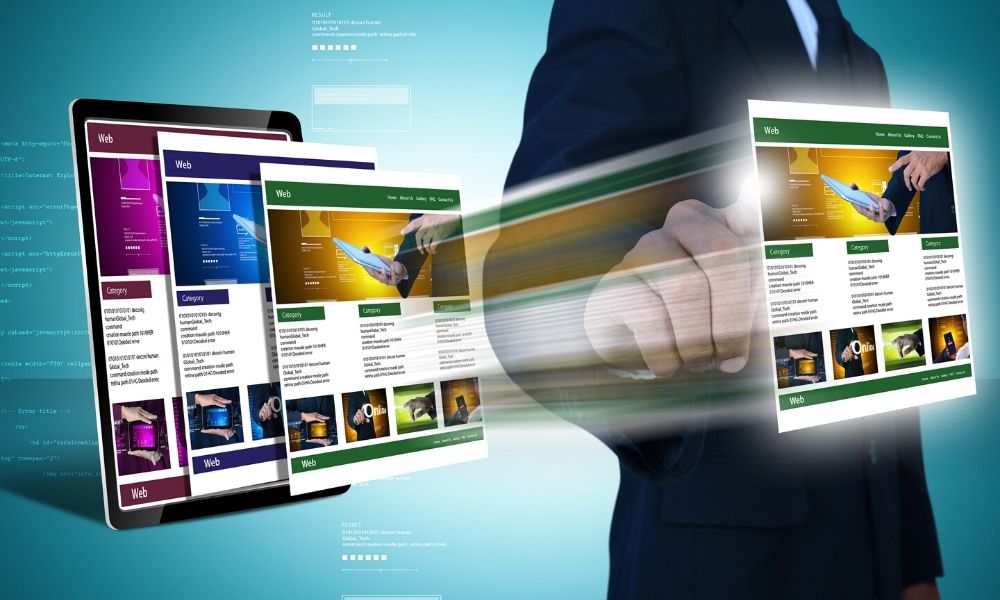

Structured content layout decisions shape how visitors process information, move through pages, and reach intended actions across every website project. Best agencies in web design rankings consistently treat content layout as a foundational design discipline rather than an aesthetic afterthought applied after structural decisions have already been made without content consideration. A multi-page website illustrates why content layout receives such deliberate professional focus.
Comprehension follows structure
Structured content layout reduces the cognitive effort visitors expend when processing page information by organising related elements into recognisable patterns that familiar reading behaviours follow without deliberate effort. Unstructured layouts presenting information without clear visual grouping, consistent spacing, or logical reading flow create friction that visitors resolve by leaving rather than persisting through confusing page organisation. Web creators applying deliberate layout structure ensure that content relationships communicate visually through proximity, alignment, and spacing rather than requiring visitors to interpret organisational logic from text content alone, without visual structural support, reinforcing the intended information hierarchy throughout each page section.
Hierarchy directs attention
Visual hierarchy within structured layouts directs visitor attention toward priority content before secondary information receives consideration through deliberate size, weight, contrast, and positioning decisions that attention sequence reflects. Four hierarchy decisions that structured content layout applies across page sections:
1. Headline sizing establishes clear entry points that visitors encounter before supporting body content, regardless of where within a page section reading begins
2. Contrast application differentiating primary calls to action from surrounding content through visual weight differences that draw attention above equivalent-sized surrounding elements
3. Whitespace deployment creates visual breathing room around priority elements that increases their perceived importance above densely surrounded equivalents
4. Content block sequencing positioning highest-priority information within natural reading path positions before supplementary content occupies lower-attention areas further down each layout section
Consistency builds familiarity
Consistent layout structure applied across multiple pages within the same website builds visitor familiarity that reduces orientation effort on each newly visited page, above inconsistent layouts requiring fresh spatial interpretation per page. Visitors recognising consistent header positions, content block patterns, and call-to-action placements across pages navigate with accumulated familiarity rather than relearning page organisation on each new destination. Web creators establishing layout systems rather than individual page designs produce consistency through reusable structural patterns that each new page applies, rather than independent layout decisions creating visual variation without purposeful differentiation across the full site.
Conversion paths clarify
Structured content layout clarifies conversion pathways through deliberate positioning of action elements within natural reading flow rather than placing conversion opportunities randomly across page areas that visitor attention reaches inconsistently. Layout decisions positioning contact forms, enquiry prompts, and primary calls to action within high-attention areas that structured hierarchy directs visitors toward produce clearer conversion pathways than unstructured equivalents, where action elements compete with surrounding content without visual hierarchy establishing priority. Web creators treating conversion pathway clarity as a layout objective rather than a copywriting responsibility produce page structures where visual organisation actively supports the conversion actions each page exists to facilitate.
The issue of aesthetic design is never adequately addressed by aesthetic design decisions alone. Website creators who prioritise layout structure before visual styling provide visitors with information organisation that actively supports their objectives on all types of pages.
