
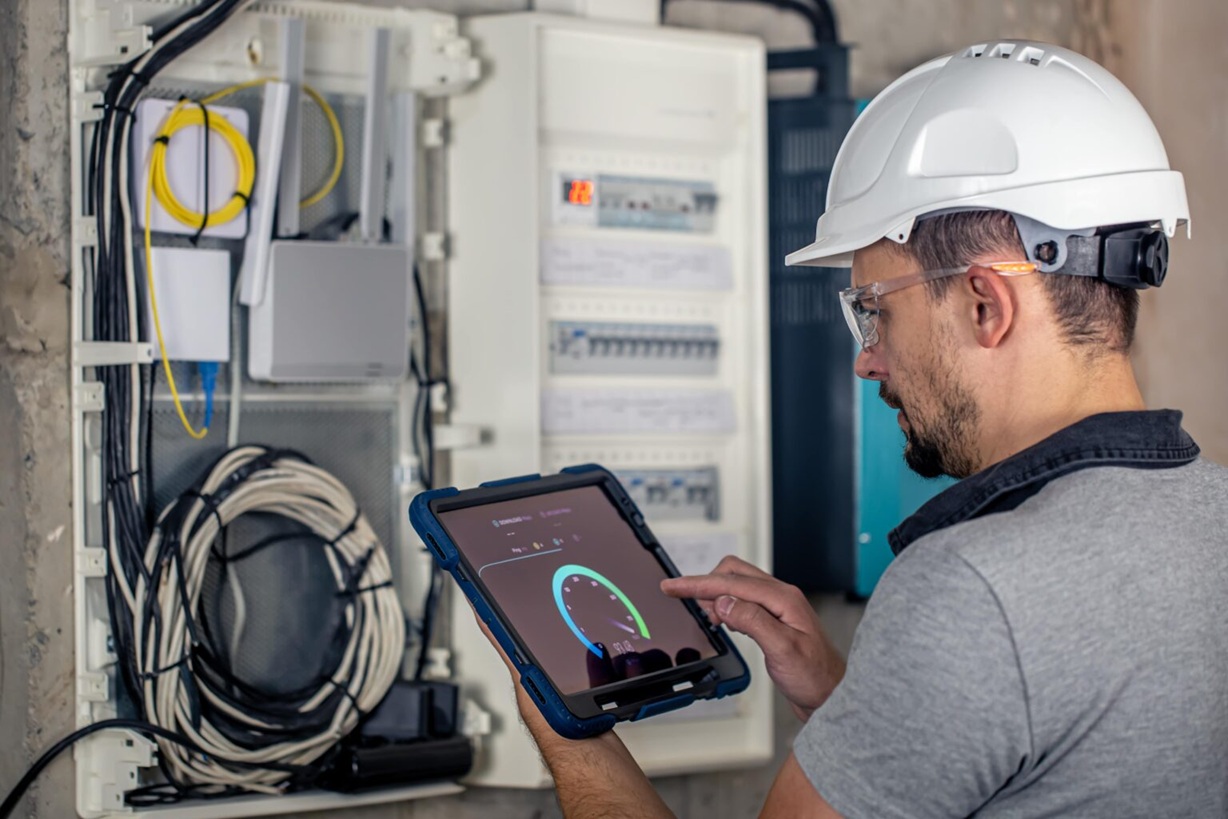

The discipline of electrical testing emerged not from abstract theory but from grim necessity, from fires sparked by faulty wiring, from electrocutions resulting from degraded insulation, from equipment failures that plunged entire facilities into darkness. Singapore’s approach to electrical testing represents the evolution of these hard lessons into systematic procedure, a regulatory framework built upon the understanding that electricity, whilst indispensable to modern civilisation, demands constant vigilance. What began as reactive responses to accidents transformed over decades into comprehensive testing regimens that now touch every electrical installation and appliance across the island nation.
The Regulatory Architecture
Singapore’s electrical testing regime rests upon foundations laid in the Electricity Act and administered through multiple agencies, each responsible for distinct aspects of electrical safety. The Energy Market Authority oversees electrical installations, whilst Enterprise Singapore manages consumer product safety. This division of labour reflects recognition that electrical hazards manifest differently in fixed installations versus portable appliances.
The Electricity Regulations establish clear requirements. These regulations require all electrical works to be undertaken by a licensed electrical worker, who must ensure the works meet industry technical and safety requirements and standards. This mandate extends beyond mere installation to encompass the crucial verification step. After completion of electrical work, testing becomes mandatory before energisation can occur.
The Spectrum of Electrical Testing
Electrical testing encompasses multiple categories, each addressing specific safety concerns and regulatory requirements:
- Installation testing verifies new electrical systems meet code requirements before connection to power supply
- Periodic inspection testing ensures existing installations remain safe throughout their operational life
- Product safety testing confirms consumer electrical goods comply with safety standards before sale
- Commissioning tests validate proper functioning of equipment after installation
- Condition monitoring tests detect degradation in operational equipment
Each category serves distinct purposes within the broader safety framework. Installation testing prevents dangerous systems from ever being energised. Periodic testing catches deterioration before it causes failure. Product testing shields consumers from inherently unsafe appliances.
Installation Testing Protocols
The testing of new electrical installations follows established sequences designed to verify safety before live operation commences. After completion of electrical installations, the LEW is required to apply to SP Group for inspection and testing of the installations to ensure they have been installed correctly and are safe and fit for operation before electricity supply can be turned on. This requirement creates a mandatory verification step, preventing premature energisation of untested systems.
The tests themselves examine multiple safety parameters. Insulation resistance measurements confirm that protective barriers maintain their integrity. Earth continuity tests verify that protective conductors provide reliable fault current paths. Polarity checks ensure correct connection of phase and neutral conductors. Circuit impedance measurements confirm that overcurrent protective devices will operate correctly under fault conditions.
Periodic Inspection Requirements
Singapore recognises that electrical installations, once commissioned, do not maintain their safety indefinitely. Environmental conditions, mechanical stress, and simple ageing gradually degrade electrical systems. Thus arose requirements for periodic electrical testing tailored to installation type and usage patterns. Construction site installations, subject to harsh conditions and frequent modifications, require monthly inspections. Electrical installations at construction sites must be inspected monthly, while those in public areas and HDB estates’ common areas must be inspected at least once every six months.
High voltage installations demand annual inspection at minimum, with licensed electrical workers developing specific schedules based on equipment criticality and operating conditions. These requirements acknowledge that consequences of high voltage failures justify more stringent oversight.
Consumer Product Safety Testing
Parallel to installation testing runs the regime governing electrical appliances and consumer goods. The Consumer Protection Regulations designate 33 categories of household electrical products as Controlled Goods requiring safety testing and certification. These include testing for safety measures against fire, electric shock, explosion and other hazards that could result in injury, death or property damage.
Products must undergo evaluation in accredited laboratories, where electrical testing protocols examine:
- High voltage withstand capability to prevent electrical shock
- Leakage current levels to ensure safe operation
- Mechanical safety to prevent access to hazardous parts
- Thermal performance to prevent fire hazards
- Electromagnetic compatibility to prevent interference
Only products passing these electrical testing requirements earn the SAFETY Mark permitting legal sale in Singapore. This certification system, whilst adding cost for manufacturers, provides consumers reasonable assurance that purchased appliances meet minimum safety standards.
The Economics of Compliance
The electrical testing infrastructure imposes costs throughout the supply chain. Manufacturers bear testing fees for product certification. Building owners pay for periodic inspections. Consumers ultimately absorb these costs through product prices and maintenance expenses. Yet the alternative, electrical systems operating without verification, proved far costlier when measured in fires prevented, electrocutions avoided, and property damage eliminated.
Singapore’s systematic approach to electrical testing evolved from recognition that prevention cost less than remediation. Regular testing identifies degradation whilst intervention remains straightforward and inexpensive. The alternative, waiting for catastrophic failure, imposed costs measured not merely in currency but in human suffering and lost productivity.
Professional Competence in Testing
Electrical testing demands more than equipment and procedures. It requires professional judgment to interpret results, diagnose anomalies, and determine appropriate remedial action. Singapore’s licensing system ensures that electrical testing remains the province of qualified practitioners who understand both the technical requirements and the safety principles underlying them.
Licensed electrical workers conducting testing shoulder legal responsibility for their certifications. This accountability creates strong incentives for thoroughness, as shortcuts that pass defective installations expose practitioners to regulatory sanctions and professional liability.
Throughout the evolution from reactive accident investigation to proactive verification, electrical testing established itself as essential safeguard, the systematic application of measurement and inspection that stands between Singapore’s population and the hazards inherent in electrical power systems.
