
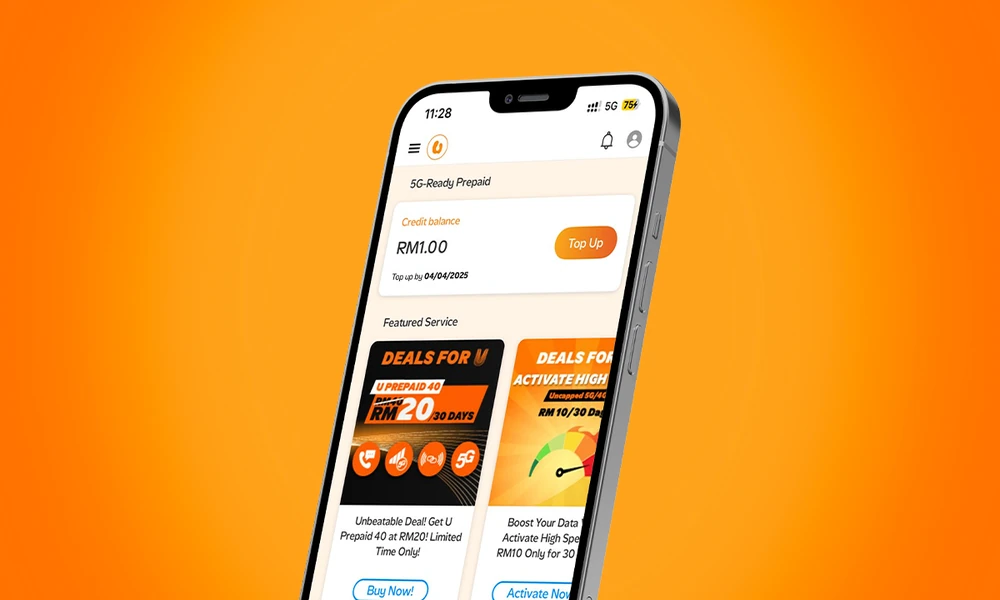

Mobile plans are easy to advertise but harder to choose well. In Malaysia, the same person may use a phone for WhatsApp, e-wallets, work messages, family calls, navigation, short videos and overseas travel. That makes this article useful for students, riders, freelancers, part-time workers and light users who need budget control. The goal is to help readers make a calm decision instead of reacting to the loudest offer.
The most useful best prepaid deals are the ones that reduce repeat top-ups without sacrificing everyday usability.
Different users need different value
A student does not use a phone like a delivery rider. A freelancer does not use data like a senior citizen who mainly calls family. That is why prepaid value should be viewed through the user’s lifestyle. Students need affordability, messaging and some entertainment. Gig workers need maps, customer calls and reliable data throughout working hours. Light users need their line to stay active without paying for a large monthly package. When a plan is selected based on lifestyle, the monthly spend becomes easier to control.
For students, riders, freelancers, part-time workers and light users who need budget control, this point is not just a technical detail. It affects how confidently the phone can be used during an ordinary week. A plan that looks good but fails during commute, class, delivery work, office hours or travel will feel expensive no matter how attractive the first price looked. The safer approach is to match the feature to the situation, then check the cost.
Students: balance data with allowance
Most students have a fixed allowance, so unpredictable spending is the main risk. A prepaid pass with enough monthly data, domestic call benefits and decent validity can prevent repeated small top-ups. Students should also check hotspot because assignments, online classes and group work can require a laptop connection. At the same time, there is no need to overpay for huge data if most long video sessions happen on campus or home WiFi.
For students, riders, freelancers, part-time workers and light users who need budget control, this point is not just a technical detail. It affects how confidently the phone can be used during an ordinary week. A plan that looks good but fails during commute, class, delivery work, office hours or travel will feel expensive no matter how attractive the first price looked. The safer approach is to match the feature to the situation, then check the cost.
Gig workers: reliability is part of income
For riders, drivers, promoters and field freelancers, mobile data is not just convenience. It supports maps, order apps, customer messages, payment alerts and calls. A cheap plan that runs out during the workday is not really cheap. Gig workers should choose enough data for work hours, look for practical call benefits and keep a small buffer for unexpected usage. If the line supports income, reliability matters as much as price.
For students, riders, freelancers, part-time workers and light users who need budget control, this point is not just a technical detail. It affects how confidently the phone can be used during an ordinary week. A plan that looks good but fails during commute, class, delivery work, office hours or travel will feel expensive no matter how attractive the first price looked. The safer approach is to match the feature to the situation, then check the cost.
Light users: avoid paying for unused data
Light users often get pushed toward bigger plans than they need. If the phone is mostly used for WhatsApp, e-wallets, banking, calls, maps and occasional browsing, a modest prepaid option may work very well. The key is validity. A light user should not need to reload constantly just to keep the line active. Simplicity is the real value.
For students, riders, freelancers, part-time workers and light users who need budget control, this point is not just a technical detail. It affects how confidently the phone can be used during an ordinary week. A plan that looks good but fails during commute, class, delivery work, office hours or travel will feel expensive no matter how attractive the first price looked. The safer approach is to match the feature to the situation, then check the cost.
Travel reminders for prepaid users
When comparing best prepaid mobile plans, readers should check data, calls, hotspot and validity together rather than judging only by the advertised price.
Students and gig workers may travel during semester breaks, festive seasons or short regional trips. The danger is assuming local data works overseas in the same way. Roaming works differently, and charges can apply quickly if data roaming is switched on without a pass. Even prepaid users should check travel charges before leaving Malaysia.
For students, riders, freelancers, part-time workers and light users who need budget control, this point is not just a technical detail. It affects how confidently the phone can be used during an ordinary week. A plan that looks good but fails during commute, class, delivery work, office hours or travel will feel expensive no matter how attractive the first price looked. The safer approach is to match the feature to the situation, then check the cost.
A practical checklist before buying
Before choosing a prepaid plan, ask five questions: how much data is used each month, how often normal calls are made, how long the pass should last, whether hotspot is needed and whether overseas travel is likely. A plan that answers these five questions well will usually serve better than one chosen only because it has a louder promotion.
For students, riders, freelancers, part-time workers and light users who need budget control, this point is not just a technical detail. It affects how confidently the phone can be used during an ordinary week. A plan that looks good but fails during commute, class, delivery work, office hours or travel will feel expensive no matter how attractive the first price looked. The safer approach is to match the feature to the situation, then check the cost.
Why this topic matters for Malaysian readers
This topic matters because mobile usage in Malaysia is practical, not theoretical. People use their phones for Touch n Go reloads, online banking, WhatsApp groups, Grab, food delivery, navigation, work calls, school updates and family coordination. For students, riders, freelancers, part-time workers and light users who need budget control, the wrong plan does not only waste money; it creates friction during normal routines. A useful mobile article should therefore explain decisions in plain language and help the reader avoid small mistakes that become monthly costs.
The hidden cost of choosing too quickly
Many users choose a plan because the promotion looks attractive in the moment. Later they realise that the plan does not match their call pattern, their data behaviour or their travel habits. The hidden cost is not always a large bill. Sometimes it is inconvenience: running out of data during a commute, not having hotspot when a laptop is needed, or discovering roaming rates only after arriving overseas. A few minutes of comparison before choosing can prevent all of this.
How to compare without getting confused
The simplest method is to compare in layers. First, decide whether the plan covers local daily use. Second, check whether calls, hotspot and validity are suitable. Third, check travel readiness if overseas trips are likely. Fourth, calculate the total monthly or trip cost. This layered approach keeps the decision clear and avoids mixing unrelated features together.
A note on promotions and fine print
Promotions can be valuable, but users should read the conditions. Some offers depend on a particular pass, a renewal cycle, a contract, a usage condition or a limited travel zone. A responsible buyer treats the headline as the starting point and the terms as the decision-maker. This does not make the offer less attractive; it simply helps the user judge it accurately.
Local relevance: different users, different pressure points
Urban users may care more about data volume, streaming and commuting. Parents may care about calls and managing children’s usage. Students may care about allowance and hotspot. Travellers may care about roaming cost and immediate access abroad. The strongest mobile decision is the one that reflects the person’s real pressure point instead of copying what someone else bought.
Readers should also check phone roaming charges in advance because overseas calls, SMS and background data can add cost quickly.
Practical takeaways
A good mobile choice should pass three tests. It should be affordable for the user’s real budget, useful for the user’s daily habits and clear enough that there are no surprises later. If a plan fails one of these tests, the buyer should keep comparing. A plan that looks attractive but creates confusion is rarely the best fit.
Final planning checklist before choosing
Before making the final choice, the reader should write down the expected monthly data use, the number of normal calls made in a week, the need for hotspot, the likelihood of overseas travel and the maximum comfortable monthly spend. This simple checklist turns a confusing mobile decision into a practical one. It also prevents a common mistake: comparing only promotions and ignoring real behaviour. When the plan or travel pass matches these five points, the user can choose with much more confidence and less risk of paying for the wrong feature.
Mistakes readers should avoid
Readers should avoid choosing a plan because a friend uses it, because the headline number looks large, or because the first-month cost seems low. Mobile value is personal. The better habit is to compare the plan against actual days, actual apps and actual travel plans. This keeps the decision grounded and reduces the chance of switching again after one billing cycle or one difficult trip.
FAQs
What prepaid plan is suitable for students?
Students should look for affordable monthly data, useful call benefits, clear validity and some hotspot support for study needs.
What should gig workers prioritise?
Gig workers should prioritise reliable data, call access, enough validity and a plan that avoids workday interruptions.
Do light users need big data plans?
Usually no. Light users should avoid paying for data they rarely use and focus on validity, basic apps and call value.
Best Prepaid Deals for Students, Gig Workers and Light Mobile Users in Malaysia
