

Introduction
In the health-care industry, trust, professionalism, and clear communication are essential. A well-designed business card serves as more than just a contact tool-it reflects a health-care professional’s credibility and commitment to patient care.
Whether you are a physician, dentist, therapist, chiropractor, nurse practitioner, or health-care consultant, choosing the right business card style can help make a lasting impression on patients, colleagues, and referral partners.
Top 7 Business Card Styles for the Health-Care Industry
1. Minimalist Professional Design
One of the most effective business cards for health-care professionals is the minimalist design. Clean layouts with ample white space create a sense of professionalism and organization. Patients often associate simple, uncluttered designs with competence and trustworthiness.
Key elements typically include:
- Professional name and credentials
- Practice or clinic name
- Contact information
- Website and social media details
- Subtle branding
A minimalist approach ensures that important information is easy to read and quickly accessible.
2. Modern Blue and White Theme
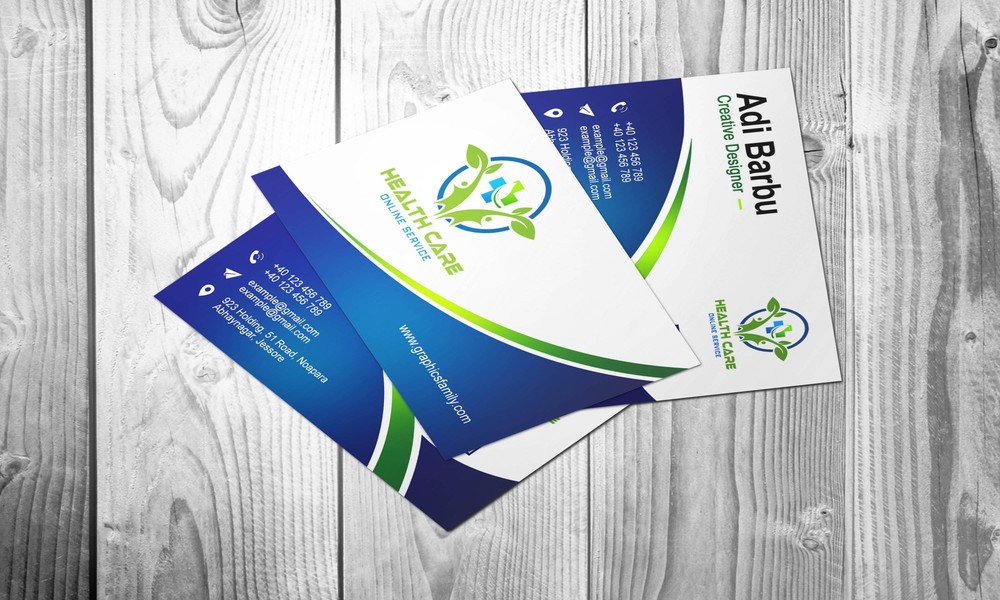
Blue remains one of the most popular colors in health-care branding because it symbolizes trust, reliability, and calmness. Combining blue with white creates a clean and welcoming appearance that aligns well with medical environments.
This style works particularly well for:
- General practitioners
- Specialists
- Hospitals and clinics
- Health-care administrators
Using modern typography and simple graphics can further enhance the card’s professional appearance.
3. Photo Business Cards
Health-care professionals who rely heavily on personal relationships can benefit from including a professional head-shot on their business cards. Patients are more likely to remember a face than a name alone.
The photograph should be high-quality, professionally taken, and consistent with the provider’s overall brand image.
4. Specialty-Focused Designs
Health-care professionals can tailor business card designs to their specific field of practice. Specialty-focused Business cards help communicate expertise and make services instantly recognizable.
These visual cues help patients quickly understand the professional’s area of expertise.
5. Premium Matte Finish Cards
The finish of a business card can influence how it is perceived. Matte-finish cards are particularly popular in health-care because they provide a sophisticated and professional look without excessive shine. A premium matte finish often conveys quality and attention to detail.
6. Double-Sided Business Cards
Double-sided cards maximize available space while maintaining a clean design. The front can feature branding and contact information, while the back can provide additional value.
Health-care professionals often use the reverse side for:
- Appointment scheduling details
- QR codes linking to online booking systems
- Service lists
- Clinic hours
- Emergency contact information
This approach improves functionality without overcrowding the main design.
7. Eco-Friendly Card Styles
Many health-care organizations are adopting environmentally conscious practices. Recycled paper business cards support sustainability efforts while demonstrating social responsibility.
Eco-friendly cards can help communicate values such as:
Patients increasingly appreciate organizations that align with sustainable initiatives.
Conclusion
The best business card style for health-care professionals balances professionalism, clarity, and brand identity. Whether choosing a minimalist design, a specialty-focused layout, a photo card, or an eco-friendly option, the goal is to create a memorable first impression while providing essential contact information. A thoughtfully designed business card can strengthen patient trust, support networking efforts, and enhance the overall image of a health-care practice.
